

Spiritual Travel (Definition)
A form of travel focused on presence, meaning, and inner transformation, rather than simply visiting places.
Spiritual travel is a way of experiencing the world with intention, presence, and reflection. Unlike traditional tourism, which focuses on seeing places, spiritual travel emphasizes how you experience them—and how those experiences shape your awareness, perspective, and sense of connection.
In other words, the difference is not simply where you go, but how you go.
Key Elements of Spiritual Travel
Spiritual travel is typically characterized by:
- Intentional presence
- Slower, more reflective pacing
- Meaningful cultural and spiritual engagement
- Time for integration and personal insight
- A focus on transformation rather than consumption
What Spiritual Travel Is Not—and What It Is
When people hear the phrase “spiritual travel,” they often imagine a religious pilgrimage or a trip that simply adds meditation or yoga to a traditional itinerary.
However, it is not just a visit to a sacred site. Nor is it about collecting spiritual experiences or checking off meaningful locations. It is also not about consuming beauty for the sake of an image or a memory.
Instead, I like to say that spiritual travel is a way of being.
It means walking through the world grounded in yourself, open to others, and aware of something greater than your individual experience. While the journey may include temples, rituals, or meditation, the deeper purpose is to engage with life more consciously.
In this way, every moment—whether peaceful or challenging—becomes part of the practice.
Beyond Tourism: A Different Way of Moving Through the World
At some point, a deeper awareness begins to emerge: wherever you go, there you are.
Travel can be disorienting. It can also be tiring, unpredictable, and uncomfortable. Yet these conditions reveal something important. They bring our habits, expectations, and unconscious patterns into view.
At the same time, modern life often encourages us to become consumers—even in our spiritual seeking. We move from one idea, teacher, or experience to the next, hoping to find something that will finally transform us. Add to this the lure of social media and we can become enamored with being seen rather than experiencing the moment, whether it’s a soaring insight or frustrating travel snarls.
And yet, spiritual travel invites a different approach.
Rather than rushing from one site to another, the pace begins to slow. As a result, there is more time to linger, to notice, and to listen.
For example, sitting on the mossy grounds of a temple in Japan, listening to monks chant for as long as I wished, revealed a stillness I didn’t know I was craving. Later, stepping away from a crowded path led to an unexpected conversation—one that bridged differences and created a moment of genuine human connection.
These are not the moments most travel itineraries are designed to create. And yet, they are often the ones that stay with us.
Bringing Home More Than Memories
Living spiritually is challenging no matter what our personal lives are like. Work, family, and the world around us have a way of impacting our equilibrium when we are not spiritually centered. However, spiritual travel creates space to practice who we want to become.
Every step is an invitation to expand our horizons and our view of life. Each encounter becomes an opportunity:
- to respond rather than react
- to remain present rather than rush ahead
- to notice where we seek comfort and resist growth
- to integrate spiritual awareness into ordinary moments
Over time, something begins to shift. We return home not only with memories, but with a different way of seeing—and being.
Subscribe to our newsletter for twice-monthly reflections, spiritual travel insights, and first looks at new tours.
How Spirit Tours Approaches Spiritual Travel
At Spirit Tours, spiritual travel is intentionally designed to support this deeper way of experiencing the world. The
underlying focus is on your Intention, your awareness of presence, the relationships that are built, the mutual engagement with what you see and who you are encountering, and most importantly your reflection on yourself and how the experience may inform your daily living at home. If you’re curious about the philosophy behind our journeys, you can learn more about how we approach spiritual travel.
Each journey includes:
- Small group settings that foster connection and presence
- Thoughtful spiritual guidance throughout the experience
- A balance of meaningful activity and time for reflection
- Encounters with places, cultures, and traditions approached with respect and openness
Because of this, the journey becomes more than a trip. It becomes a living practice—one that continues long after you return home.
Why Spiritual Travel Matters Today
There are moments when the pace, noise, and division around us begin to feel unsustainable. In those moments, something in us looks for a different way of being. Not an escape, but a return.
Spiritual travel offers that return. It invites us to slow down, to listen more closely, and to meet each experience with greater presence. In doing so, we begin to see more clearly—beyond distraction, beyond habit, and even beyond the divisions that can feel so fixed in daily life. At times, this can feel less like a luxury and more like a spiritual necessity.
For this reason, spiritual travel is not a way of stepping away from life. It is a way of returning to it with greater clarity and care.
Spiritual Travel Is an Invitation
Ultimately, spiritual travel is not about becoming someone new. It is about becoming more fully yourself.
It is an invitation to travel differently, with intention, so that you may return home different.
For each moment of centeredness in a travel crisis, we bring home more grounded behavior. For each moment of appreciation for the sacred ways of others, we bring home an eye for the sacred within our own lives. For each leisurely experienced hour of reflection, we bring home insights as well as an appreciation for the time needed to wake up and be more aware.
And for every time we are expanded beyond ourselves, in whatever way, we have a deeper felt-lived experience of the Divine Presence, right where we are.
Frequently Asked Questions
Not necessarily. While it may include visits to sacred sites or spiritual practices, spiritual travel is about awareness and presence rather than adherence to a specific religion.
While pilgrimage often centers on a specific religious destination, spiritual travel is broader. It focuses on how you engage with the journey itself, allowing meaning and insight to emerge through the experience rather than from a single destination.
A retreat is usually centered in one location. Spiritual travel involves movement through multiple environments, each offering new opportunities for reflection and growth.
Spiritual travel differs from tourism in its focus on inner experience rather than external activity. While tourism emphasizes visiting destinations, spiritual travel emphasizes presence, reflection, and personal transformation.
Yes. Spiritual travel meets you where you are. What matters most is your openness to the experience.
A spiritual travel journey includes meaningful places, cultural engagement, and time for reflection. What matters most is how you experience it—with presence, intention, and openness.
A place becomes sacred not only through geography, but through meaning—shaped by history, culture, and human experience.
Spiritual travel can deepen self-awareness, strengthen connection, and offer a renewed sense of perspective.
Begin Your Journey
If this way of traveling resonates with you, explore our upcoming journeys and experience spiritual travel for yourself.
About the Author
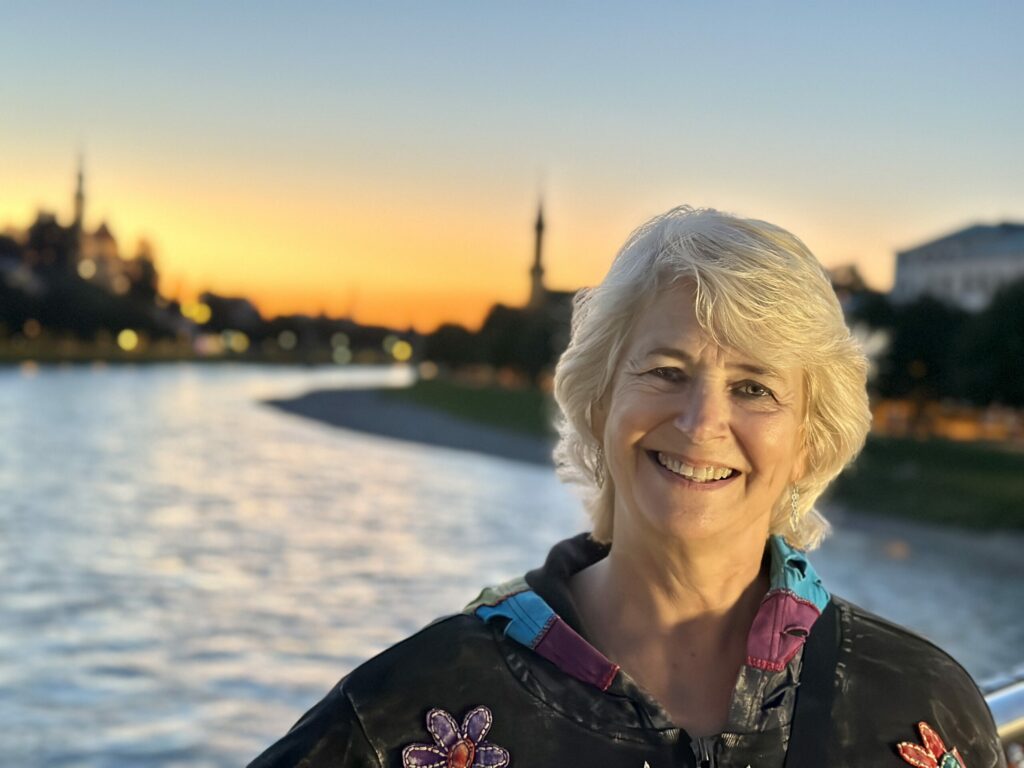
Rev. Dr. Petra Weldes is the Co-Owner of Spirit Tours and served as the Spiritual Leader of CSLDallas from 1998-2025. She is a gifted speaker, teacher, and interfaith leader who brings heart, humor, and insight to everything she does. Over more than three decades, her work has inspired thousands to live with greater joy and spiritual awareness.
An award-winning minister and author, Dr. Petra has led workshops and retreats around the world, helping people connect with their purpose and inner wisdom. She has also created courses on practical spirituality and co-authored three journals on living with joy. Through her teaching and storytelling, she creates welcoming spaces where people can explore, grow, and truly feel at home on their spiritual journey.
You May Also Like
Help us grow by sharing our newsletter
Thank you for telling your friends about Spirit Tours. And when you join our referral program, you’ll also earn thank you rewards for sharing Journeys of the Soul with them.